
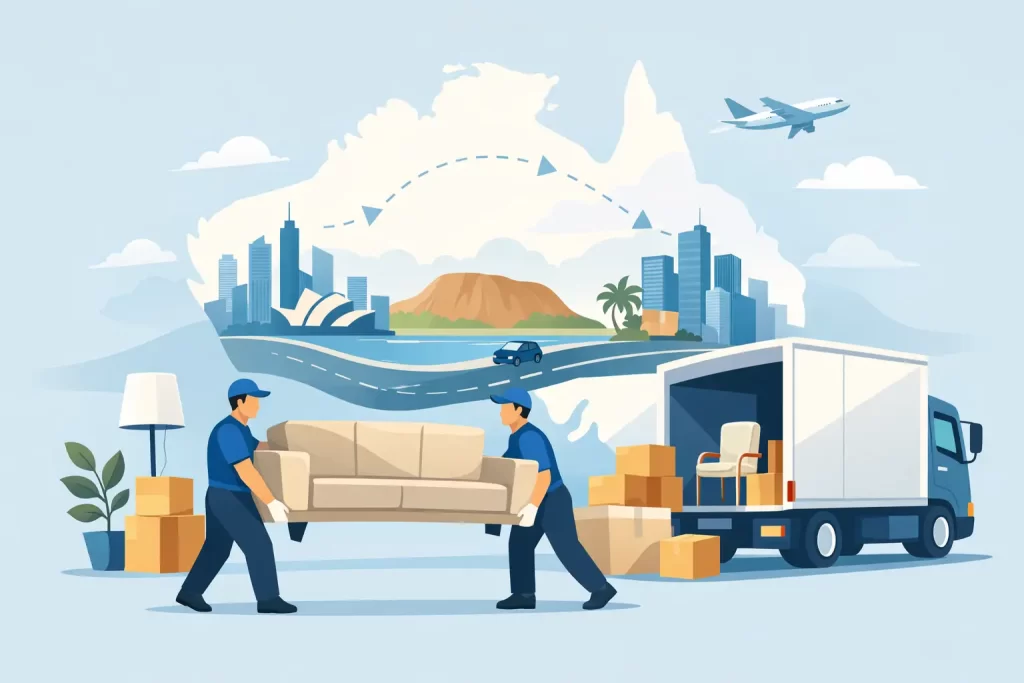
A sofa that barely fits through the lounge doorway is one thing. Getting it safely from the South Coast to Queensland, Victoria or another state is another job entirely. Interstate furniture movers Australia customers can rely on do more than load a truck. They plan access, protect furniture, manage transport timing and make sure the right items arrive at the right address.
For families, renters and businesses, an interstate move often comes with a fixed handover date, new keys, work commitments and a long list of jobs to finish before departure. The right removal team takes the heavy lifting and transport logistics off your plate, without leaving you guessing about what happens next.
What an interstate move actually involves
A long-distance furniture move is not simply a larger local removal. Your belongings may travel hundreds or thousands of kilometres, pass through multiple delivery runs and need to be carefully secured for a longer period in transit. That makes preparation, packing and clear communication especially important.
A professional removalist should assess the size of the job, the type of furniture being moved, access at both properties and the intended delivery timeframe. Stairs, narrow driveways, apartment lifts, rural roads and difficult loading areas can all affect how the move is planned.
There is also a difference between a dedicated load and a shared load. A dedicated service generally means your goods travel directly as part of a scheduled move for your household or business. A shared load may be more cost-effective when timing is flexible, but delivery windows can be broader. Neither option is automatically better. It depends on your budget, how quickly you need delivery and whether your move dates can shift.
Choosing interstate furniture movers in Australia
Price matters, but the cheapest quote is not always the most affordable move. A low figure can leave out packing materials, difficult-access charges, insurance arrangements, delivery conditions or other services you assumed were included. A clear quote gives you a better basis for comparing providers.
Ask what is included in the removal service and what needs to be arranged separately. You should know whether the team will wrap furniture, dismantle and reassemble standard items, provide cartons, load from storage or handle delivery to an upper-level apartment. If there are items the removalist cannot transport, such as certain hazardous materials, they should explain this before moving day.
It also helps to choose a company that communicates in plain language. You need a contact person, a realistic collection and delivery schedule, and a clear process if dates change. Long-distance moves have more moving parts than a trip across town, so prompt updates make a real difference.
For customers moving from Nowra, Wollongong or the surrounding South Coast, working with a team familiar with regional collection points can make the first stage of the move easier. Local knowledge matters when access is tight or collection needs to fit around settlement, holiday traffic or building requirements.
Careful handling starts before the truck arrives
Furniture protection is not an optional extra when items are travelling interstate. Timber tables, glass cabinets, lounges, mattresses and whitegoods all need suitable preparation to prevent scratches, movement and damage during loading and transport.
Professional wrapping and packing can be a practical choice for fragile or high-value belongings. It reduces the rush of trying to source the right materials and pack an entire home after work. It is particularly useful for glassware, artwork, electronics, mirrors and awkward pieces that need more than a blanket around them.
If you prefer to pack your own cartons, use strong boxes, avoid overfilling them and label each box by room and contents. Write down if a carton is fragile or needs to stay upright. Labels will not replace proper packing, but they help the removal team unload more efficiently at the other end.
Prepare your furniture for a smoother collection
A little preparation can save time on moving day and help protect your belongings. Clear loose items from drawers, cabinets and shelves unless the removalist has advised otherwise. Empty and defrost fridges and freezers early enough for them to dry. Remove detachable legs, shelves or fittings where appropriate, and keep screws or small parts in labelled bags taped securely to the relevant item.
Measure large furniture and key access points before the move. This includes front doors, stairwells, lifts, hallways and gates. A large modular lounge or solid timber buffet may need a different approach than expected, and it is far better to identify that before collection.
Keep your essentials separate from the removal load. Medication, passports, laptops, chargers, keys, important documents and a change of clothes should travel with you. The same goes for anything you will need immediately on arrival, such as baby supplies, pet items, basic cleaning products and kettle essentials.
For a business move, separate critical equipment and files from general furniture. Office relocations need a clear order of operations so staff can get back to work quickly. Desks, chairs and filing cabinets are only part of the job. Computers, monitors, cabling and documents should be identified, packed and delivered with a plan.
Questions worth asking before you book
Before accepting a quote, make sure you have practical answers about collection, delivery and protection. Four questions are particularly useful:
- Is the quote based on an itemised inventory, an inspection or an estimated volume?
- What packing, wrapping, loading and unloading services are included?
- What delivery timeframe should you expect, and how will updates be provided?
- What insurance cover or transit protection applies to the move?
You should also disclose anything that could affect access or handling. Tell the removalist about stairs, parking restrictions, long carries, heavy items, narrow roads, lift bookings and fragile pieces. Accurate information helps the team allocate the right people, vehicle space and equipment from the start.
Be cautious of a quote that seems too vague to hold the provider accountable. A good removal plan does not need to be complicated, but it should reflect your actual move rather than a rough guess based on the number of bedrooms alone.
The value of a full-service removal team
Using an end-to-end removal service means there is one team coordinating the job from collection to unloading. Rather than hiring a truck, finding helpers, buying materials and managing the route yourself, you have trained movers handling the physical work and transport process.
That convenience is not just about avoiding sore backs. It can reduce the risk of damaged furniture, missed deadlines and last-minute problems with vehicles or loading. For an interstate relocation, the cost of replacing a damaged dining setting or delaying a property handover can quickly outweigh the apparent savings of doing it all yourself.
Mr Muscle Removals provides residential, office and interstate removal support with professional packing available when you need extra help. The aim is straightforward: careful handling, clear communication and a move that feels organised from the first quote through to final unloading.
Make room for the things that cannot go on the truck
Not every item belongs in an interstate furniture load. Flammables, gas bottles, fuels, chemicals and other hazardous goods may need separate disposal or transport arrangements. Check with your removalist early, rather than discovering a problem while the truck is being loaded.
Plants, pets and perishable food also need their own plan. Interstate biosecurity rules can apply depending on where you are moving, particularly when travelling into Western Australia, Tasmania or certain other areas. Your removalist can advise on the furniture move, but it is still your responsibility to check requirements for personal items, animals and plants.
The best time to organise an interstate removal is before the final week becomes busy. Give yourself enough time to confirm the inventory, decide whether you want packing support and raise any access issues. A detailed quote and an honest conversation about timing will put you in a far stronger position when moving day arrives.