
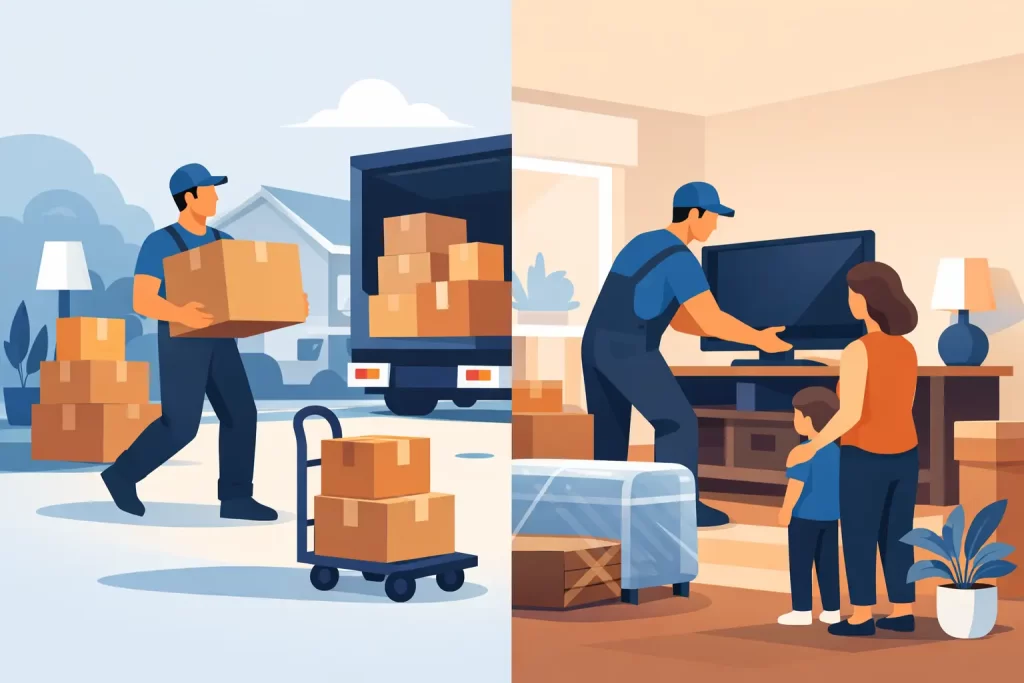
A moving truck arriving at your door is only the visible part of the job. If you are asking, what do removalists actually do, the answer is far more than carrying boxes from one place to another. A professional team plans the access, protects furniture, handles heavy lifting, secures the load and gets your belongings into the right rooms at the other end.
For households and businesses, that practical support can turn a long, physically demanding day into a managed move. The exact service depends on what you book, how much you pack yourself and whether you are moving locally, interstate or into a tricky property with stairs, narrow access or limited parking.
What do removalists actually do from start to finish?
A removalist’s job starts before moving day. Once you request a quote, the team needs a clear picture of the move: the size of the property, the main furniture pieces, pickup and delivery suburbs, access at both addresses, and any items needing extra care. This helps determine the right truck size, number of removalists, equipment and expected time.
Clear information matters. A ground-floor unit with a nearby loading area is very different from a third-floor apartment with no lift. Likewise, a move involving a large fridge, piano, bulky modular lounge or fragile glass cabinet may need additional planning. Being upfront early helps avoid surprises, delays and inaccurate pricing on the day.
They assess the job and plan the load
On moving day, removalists generally begin by checking the layout, access and items being moved. They work out the safest order to take furniture and boxes from the property, usually starting with larger items and rooms that need to be cleared first.
They also plan how the truck will be loaded. This is not simply a case of filling every empty space. Heavy pieces need to be positioned securely, fragile belongings need protection, and items required first at the new address should not be buried at the very back. Good loading protects your belongings and helps the unloading process run efficiently.
They protect furniture and fragile belongings
Professional removalists use moving blankets, protective wraps, straps and other equipment to reduce the risk of damage in transit. Timber tables, lounges, mattresses, mirrors, appliances and other vulnerable items may be wrapped before they leave the house.
The level of protection should match the item and the move. A short move across Nowra may require less packaging than an interstate relocation, but furniture can still be scratched, dented or marked without proper protection. Careful handling also protects walls, door frames, lifts and common areas while items are carried out.
If you have chosen a packing service, removalists can also professionally wrap and pack household items into suitable cartons. This is particularly helpful for kitchens, glassware, artwork, books, clothing and other belongings that take time to sort and pack safely. It is a convenience service, but it can also reduce last-minute pressure when you are balancing work, children, keys and settlement dates.
They handle the heavy lifting safely
One of the biggest reasons people book removalists is to avoid the physical work. Moving furniture is awkward even when it is not particularly heavy. A washing machine can be difficult to manoeuvre, a solid timber buffet can be hard to grip, and a mattress can be unwieldy in a stairwell or tight hallway.
Removalists use lifting techniques and equipment designed for these jobs. Trolleys, dollies, straps and ramps help move large items more safely and efficiently. Just as importantly, an experienced team knows when an item needs two people, when a path should be cleared and when a piece may need partial dismantling before it can be moved.
This is not only about saving your back. It lowers the risk of damage to your furniture and property, and it means friends and family do not have to spend the day attempting lifts they are not comfortable with.
They load, secure and transport your belongings
Once items are in the truck, removalists arrange them to limit movement during transport. Furniture is secured with straps, and protective blankets help prevent surfaces rubbing together. Boxes are stacked with their weight and stability in mind, rather than placed wherever there is space.
The transport stage may be short, such as a move from Worrigee to South Nowra, or it may involve a longer route to Wollongong, Sydney or another state. Either way, safe loading remains essential. Bumps, corners and braking can shift an unsecured load quickly.
Professional removal services should also provide clear information about timing, transport arrangements and insurance. Insurance coverage and conditions vary, so it is sensible to ask what is included and whether you need any additional cover for high-value or unusual items. This is especially worthwhile for antiques, artwork, collectables and expensive electronics.
They unload into the rooms you need
At the destination, removalists do more than leave everything on the footpath or in the garage. They carry furniture and cartons inside, placing them in the rooms you direct them to. Clear labels on boxes make this much easier, especially if you have several bedrooms, a home office or storage areas.
If furniture was dismantled for the move, reassembly may be available depending on the service booked and the item involved. Simple pieces such as beds and tables are commonly handled, but it is best to confirm this before moving day. Some flat-pack furniture, wall-mounted items and complex installations may not be included.
A well-organised unload makes the first night in your new place less chaotic. Having beds assembled, essential boxes in the kitchen and major furniture in place gives you room to settle in without climbing over cartons for days.
What removalists may not do unless arranged
A full-service move can be highly convenient, but it is not a licence to leave every task until the truck arrives. Most removalists cannot transport prohibited or hazardous materials, such as fuel, gas bottles, chemicals, paint thinners, explosives or perishable food. Check in advance if you are unsure about an item.
They may also not disconnect plumbing, gas or electrical appliances. Washing machines should be disconnected and drained, fridges defrosted where required, and access paths cleared before the team arrives. Removalists can move the appliance, but qualified tradespeople may be needed for disconnection or installation.
Packing is another area where it depends on your booking. If you have not arranged professional packing, you will usually need cartons sealed, labelled and ready to move. Loose items, overfilled boxes and unprotected glass can slow the job down and increase the chance of damage.
How to get the best from your removal team
The best moves are a partnership. Your removalists manage the labour, equipment and transport, while you provide accurate information and make the property ready for them to work safely. Reserve parking where possible, advise of stairs or difficult access, and keep pets and children clear of loading areas.
Before the truck arrives, set aside the items you are taking with you: medications, jewellery, important documents, chargers, keys and a few first-night essentials. Let the team know about anything fragile, valuable or especially heavy before it is loaded. It is much easier to protect an item properly when everyone knows it needs special attention.
For office moves, a little more organisation pays off. Label desks, computers, chairs and cartons by team or destination area, and make a plan for files, confidential records and IT equipment. The goal is not simply to move the contents of the office, but to help your business get operating again with minimal disruption.
A removal service is about more than a truck
Removalists provide the practical skill, muscle and planning that keep a move moving forward. From careful wrapping and safe lifting to secure transport and room-by-room unloading, their work is designed to protect your belongings and take pressure off you when there is already plenty to manage.
When comparing quotes, look beyond the truck and hourly rate. Ask what is included, whether packing materials or wrapping are available, how access affects the job and what insurance arrangements apply. A dependable team such as Mr Muscle Removals will explain the process clearly, so you can choose the level of support that suits your move and get on with settling into the new place.