
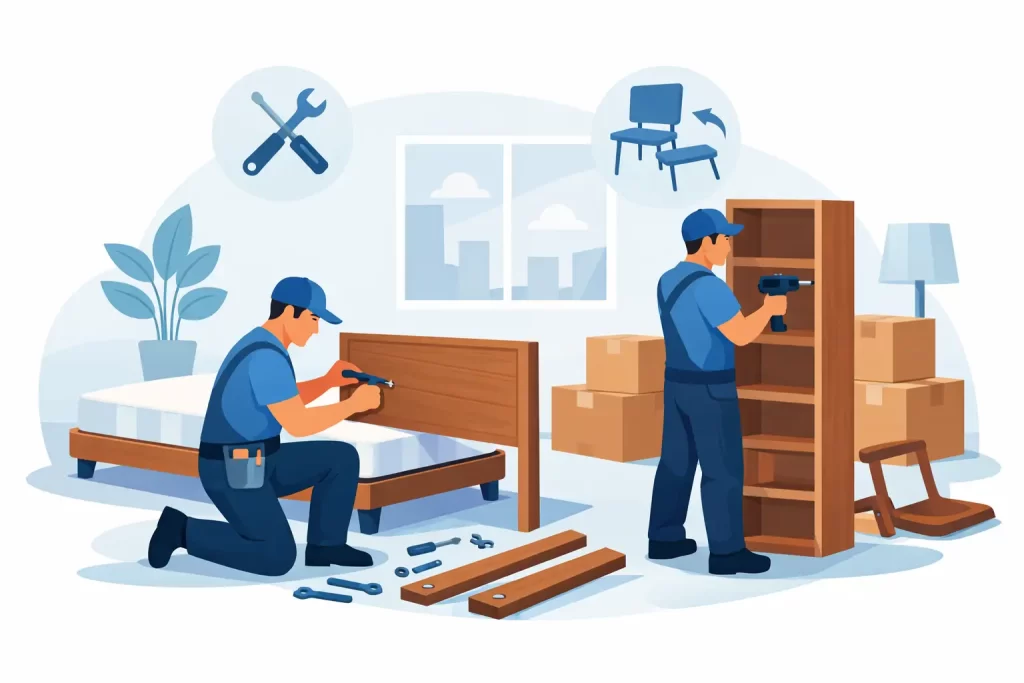
A king bed that will not clear the hallway, a bulky modular lounge, or a dining table too wide for the front door can hold up an otherwise simple move. So, can movers disassemble furniture? In many cases, yes. Professional removalists can take apart suitable furniture to move it safely and efficiently, but the service should always be discussed when you request your quote.
Furniture disassembly is not just about getting large items through a doorway. Done properly, it can reduce the risk of damage to your belongings, walls, door frames and the removal team. It also makes loading and unloading more manageable, particularly where there are stairs, tight access or apartment lifts involved.
What furniture can movers disassemble?
Most removalists can assist with common household items that are designed to come apart. This often includes bed frames, dining tables, desks, modular lounges, some wardrobes and selected shelving units. Taking the legs off a table, separating a sectional sofa or dismantling a bed base can make a big difference on moving day.
Office furniture may also need attention. Desks, workstations, boardroom tables and shelving can sometimes be dismantled for safer transport, helping a business move with less disruption.
The key factor is whether the item has been built to be disassembled without compromising its structure. Flat-pack furniture, for example, can be more complicated than it looks. Some pieces weaken when taken apart and put back together, especially if the fittings are worn, the particleboard is damaged or the item has already been assembled more than once.
A good removal team will assess the item rather than forcing it apart. If dismantling creates a greater risk than moving the piece whole, they may recommend another approach, such as wrapping it carefully, using furniture blankets, or adjusting the removal route.
When furniture disassembly may not be included
Disassembly is often an additional service, rather than something automatically included in every removal. The answer depends on the moving company, the item, the time required and whether reassembly is needed at the destination.
Simple work, such as removing detachable table legs or splitting a modular lounge, may be straightforward. Larger jobs can take longer and require specific tools, extra care and detailed labelling of parts. A large wardrobe, complicated wall unit or multi-piece office workstation needs to be allowed for in the schedule.
Some furniture is generally outside the scope of a standard removal service. Built-in cabinetry, wall-mounted furniture, electrical fittings, plumbing-connected appliances and items fixed permanently to a property usually need a qualified tradesperson. Removalists should not disconnect gas appliances, hardwired equipment or plumbing connections.
It is also sensible to be cautious with antiques, fragile designer furniture and pieces with unclear assembly instructions. These items may need specialist handling or may be safer to transport intact where access allows.
What to tell your removalist before moving day
The best time to raise furniture disassembly is when arranging your quote, not when the truck arrives. Clear information allows the removalist to send the right number of people, allow enough time and bring suitable equipment.
Let them know the furniture type, approximate size and whether it needs to be disassembled, reassembled, or both. Photos are especially useful for large beds, wardrobes, desks and modular furniture. Also mention access at each property, including stairs, narrow hallways, lift bookings, steep driveways, parking limits and difficult doorways.
Be honest about the condition of the item. If a bed frame is loose, a table has been repaired or a flat-pack unit is already wobbly, say so early. This helps the team handle it with the right level of care and avoids surprises on the day.
If you have the original instructions or any special tools supplied with the furniture, keep them handy. They are not always necessary, but they can save time with unusual fittings. Do not leave screws, bolts or brackets loose in a drawer. Small parts can disappear quickly during a busy move.
How professional disassembly protects your furniture
Large furniture is awkward to manoeuvre, even when it is not particularly heavy. Turning a tall bedhead around a corner or carrying a dining table down stairs can put pressure on joints and surfaces. Disassembly reduces the size and weight of individual sections, making the job safer for everyone.
A careful team should keep fittings together, protect exposed surfaces and load dismantled parts so they are less likely to shift in transit. Mattresses, timber panels, glass table tops and upholstered pieces all need different handling methods. Proper wrapping and secure loading matter just as much as taking the item apart.
Reassembly is also worth discussing before the move. A bed frame is not much use if it arrives in pieces on the first night in your new home. If you need essential furniture put back together, confirm exactly which items are covered and make sure the removalists have access to the rooms where they will be placed.
There can be practical limits. Removalists can reassemble furniture that was safely dismantled and has all required parts, but they cannot guarantee a weakened or damaged flat-pack item will go back together perfectly. This is another reason to identify fragile furniture before the move.
Should you disassemble furniture yourself?
Doing some preparation yourself can reduce moving time, but it is not always the cheapest or safest choice. If you are confident with the item and have the correct tools, removing table legs or taking apart a simple bed frame before the team arrives may be worthwhile.
However, avoid dismantling furniture if you are unsure how it goes back together. A rushed job can strip screw holes, crack panels or leave essential pieces behind. It may also create more work if the furniture needs to be rebuilt from scratch at the new address.
If you choose to do it yourself, take photos as you go and place all screws, bolts, brackets and Allen keys in a labelled bag. Tape the bag securely to a clearly marked furniture component rather than directly onto a polished or delicate surface. Keep instruction manuals with the fittings so they travel together.
For valuable, oversized or complicated items, professional help is usually the more practical option. The goal is not simply to make the furniture smaller. It is to make sure it arrives in a condition you can use.
Questions to ask when booking furniture removals
Before confirming your move, ask whether furniture disassembly and reassembly are available, which pieces the team can handle, and whether the work affects the quote. You should also check whether packing materials and protective wrapping are included, particularly for glass, timber and upholstered furniture.
Ask about timing as well. A move with several beds, desks and wardrobes may require a longer booking than a move where everything can be carried straight out. Knowing this upfront helps avoid delays and gives you a clearer picture of the cost.
For homes and businesses across Nowra, Wollongong and surrounding areas, Mr Muscle Removals can discuss your furniture, access and packing needs before moving day. A detailed quote gives the team the chance to plan the job properly and gives you fewer decisions to make when the move is already underway.
Before you pack the first box, walk through each room and identify anything that cannot comfortably fit through the door in one piece. That quick check can turn a difficult moving-day obstacle into a planned, carefully handled part of the job.