
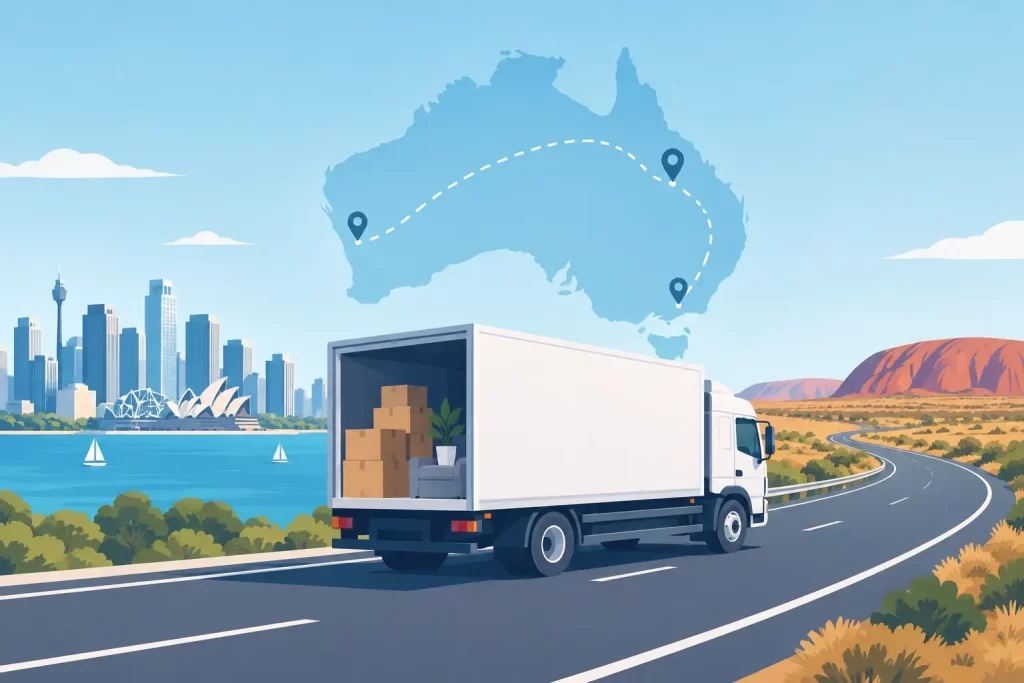
Moving a family from the South Coast to Queensland, or relocating an office from Wollongong to Melbourne, is not a job that can be left to chance. The future of interstate moving Australia is being shaped by one clear expectation: people want the confidence of a well-managed move, with accurate information, careful handling and a team that does what it says it will do.
Long-distance removals will always involve real-world variables such as traffic, weather, access conditions and delivery schedules. What is changing is how well removalists can plan around them, communicate with customers and protect belongings from door to door.
The future of interstate moving Australia is more organised
Interstate moving once meant accepting a broad delivery window and hoping for the best. Customers are now used to tracking deliveries, receiving mobile updates and knowing who to contact when plans change. That expectation has reached the removals industry.
Better scheduling systems will allow moving teams to coordinate collection dates, transport routes, storage needs and delivery times more closely. For customers, this should mean fewer surprises and clearer advice before moving day. Rather than vague promises, a professional removalist should explain what is confirmed, what may change and what the next step will be.
This does not mean every interstate delivery can be timed to the exact hour. Shared loads, regional drop-offs and road conditions still affect schedules. Honest communication matters more than unrealistic guarantees. A good mover will provide practical timeframes, keep you updated and respond quickly if circumstances change.
For households, better planning starts well before the truck arrives. A detailed quote and inventory help identify large furniture, fragile items, access issues, stairs and any goods that need special packing. For businesses, planning also includes workstation layouts, IT equipment, files and a delivery order that lets the new site get operating sooner.
Smarter technology will support better service
Technology will not replace experienced removalists carrying a heavy sofa down a narrow stairwell. It will, however, make the work safer, more visible and easier to manage.
Digital inventories, condition records and photo documentation can give customers a clearer record of what has been collected. Route planning tools can help transport teams choose practical travel paths and manage fuel, rest breaks and arrival windows. Online booking and quoting systems can also reduce the back-and-forth that slows down the early stages of a move.
The useful technology is the kind that supports people, not the kind that creates more work for customers. Most people planning an interstate move do not want to learn a complicated platform. They want straightforward answers: What will the move cost? When will the team arrive? How should I pack? When can I expect delivery?
Mobile communication will remain especially valuable. A quick message confirming arrival, a call when the truck is on its way, or prompt advice about a schedule change can remove a great deal of stress. It is a small part of the process, but it makes customers feel looked after.
Tracking needs to be useful, not just impressive
Vehicle tracking and digital updates are likely to become more common, particularly for long-distance moves. Yet tracking alone does not solve a problem if nobody is available to explain a delay or confirm what happens next.
The best future service will combine live operational information with a real person who understands the move. Customers should not have to chase answers while they are managing keys, cleaners, children, pets and settlement deadlines.
Careful packing will become a bigger priority
The value of an interstate removal is not simply getting furniture from one state to another. It is delivering it in the same condition wherever possible. That makes professional wrapping, secure loading and sensible packing more important as customers move higher-value furniture, electronics and fragile home items.
Good packing protects more than glassware. Mattresses, lounges, timber furniture, televisions, artwork and appliances all need appropriate preparation for a long road journey. Items can shift during transport if they are not wrapped, padded and secured properly. A cheaper quote may look attractive at first, but it can become costly if protection and handling are treated as extras rather than part of a careful service.
There will still be room for customers who prefer to pack their own boxes. It can reduce upfront costs and give families control over personal belongings. The trade-off is time, effort and the risk of using unsuitable boxes or leaving gaps that allow items to move. For fragile, valuable or awkward items, professional packing is often the safer choice.
Clear advice will matter here. Customers need to know which items movers can transport, what should travel with them and how to label boxes for efficient unloading. Important documents, medication, jewellery, chargers and a few days of essentials are generally best kept with you rather than loaded onto the removal truck.
Sustainability will change how moves are planned
Australians are becoming more aware of the waste created by moving house. Cardboard, plastic wrap, unwanted furniture and rushed clean-outs can quickly fill a skip bin. The future of interstate removals will place more focus on reducing waste where it is practical to do so.
Reusable moving crates, recyclable packing materials and more efficient load planning can all help. Consolidating compatible interstate loads may reduce the number of partially filled trucks travelling long distances. This can lower fuel use, although it may not suit customers who need a dedicated vehicle or a very specific delivery date.
Customers can also make a difference before the move by sorting through unwanted items early. Selling, donating or responsibly disposing of furniture that will not suit the new home means less to pack, less to transport and less to unpack. Leaving that decision until the day before collection usually creates pressure and extra cost.
Sustainability should be practical, not a reason to compromise protection. Fragile furniture still needs proper wrapping. The aim is to use the right materials and avoid waste, rather than cutting corners on care.
Clearer pricing will separate reliable movers from cheap quotes
Price will always matter, especially when families are also paying bonds, deposits, utilities and travel costs. But interstate moves are complex, and quotes that appear similar may cover very different levels of service.
As customers become more informed, they will expect clearer explanations of what is included. That can include the number of removalists, truck capacity, travel distance, loading and unloading, protective wrapping, insurance arrangements, storage, difficult access and any packing services. A reliable quote should be based on the actual job, not a guess made with too little information.
The lowest price is not always the lowest overall cost. A quote can be cheap because it excludes key services, allows little time for the job or does not account for difficult access. Ask questions early, particularly if you have bulky furniture, apartment lifts, rural delivery access or a fixed settlement date.
For small and mid-sized businesses, transparent scope is just as important. Downtime costs money. The removal plan should cover equipment handling, labelling, delivery order and the timing required to minimise disruption to staff and customers.
What customers should expect from their interstate mover
The standard for interstate removals is rising, and that is good news for anyone planning a move. Customers should expect an insured, professional service that treats their belongings with care and communicates clearly from quote to delivery.
Before booking, provide as much detail as possible. Mention access at both properties, large or delicate items, dates that cannot move and whether you need packing or temporary storage. The more accurately a removalist can assess the move, the more accurate the plan and quote are likely to be.
It also helps to book early where possible. Interstate transport capacity can be limited during school holidays, at the end of leases and around peak moving periods. Early planning gives you more choice and time to prepare properly.
Mr Muscle Removals believes a long-distance move should feel manageable, not overwhelming. The best result comes from practical planning, trained removalists, careful packing and clear communication at every stage.
When you are ready to move interstate, focus on the details that protect your time, budget and belongings. A straightforward conversation with an experienced removalist before you book can prevent most moving-day surprises.