
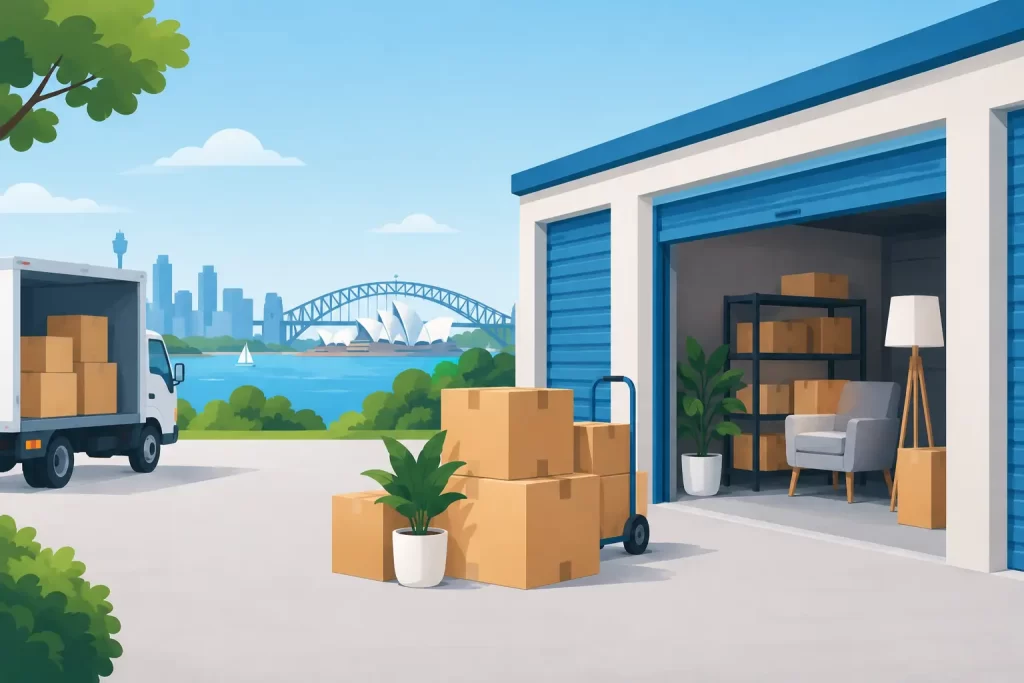
A settlement date that does not line up with your new lease can turn a straightforward move into a juggling act. The best storage options between moves give you breathing room: somewhere secure for your furniture and boxes while you wait to collect keys, finish renovations or finalise your next address.
The right choice depends on how long you need storage, how much you are storing and whether you need to access your belongings during the gap. Cost matters too, but the cheapest option is not always the best value if it leaves your furniture poorly protected or makes delivery harder when moving day arrives.
Start with the length of your storage gap
Before booking anything, work out whether you need storage for a few days, several weeks or a number of months. This affects both the type of storage that suits you and the price you can expect to pay.
For a short gap of a few days to two weeks, a removalist-held storage arrangement can be the simplest option. Your belongings are collected, placed into storage, then delivered to your new home when you are ready. You avoid hiring a vehicle twice, lifting heavy furniture again or trying to coordinate access at a storage facility.
For a longer gap, a self-storage unit may be more suitable, particularly if you expect to collect items along the way. This can work well when downsizing, travelling, renovating or moving interstate in stages. Just remember that regular access can add time and effort, especially if the facility is not close to where you are staying.
The best storage options between moves
Removalist storage for a hands-off move
Removalist storage is designed for people who want the moving process managed from pickup through to final delivery. A professional team packs or collects your items, transports them to a secure storage location and returns them when your new property is available.
This is often the most practical option for busy families, renters facing a short lease gap and homeowners waiting on settlement. It reduces handling, which is helpful for bulky furniture, fragile items and appliances. Fewer moves between vehicles and storage spaces usually mean less chance of accidental damage.
Ask whether storage is charged by volume, container or space used, and check how delivery is booked at the other end. It is also worth confirming the level of insurance provided and whether packing services are available for delicate belongings.
Self-storage units for flexible access
A self-storage unit gives you your own lockable space. You load your possessions into the unit and can normally visit during the facility’s access hours. Units come in different sizes, from a small locker for cartons to a larger space for the contents of a family home.
This option is useful if you are decluttering before selling, separating items for different destinations or need regular access to documents, business stock or seasonal belongings. It also lets you organise the unit your own way.
The trade-off is that you need to arrange transport and loading. A removalist can still move your belongings into and out of the unit, but plan for two removal jobs rather than one continuous service. You should also allow room for an aisle if you will need to reach items at the back.
Mobile storage containers for packing at your pace
With mobile storage, a container is delivered to your property for you to load. Once packed, it is collected and stored until you need it delivered to your new address.
This can suit people who want more time to pack without having a storage unit off-site. You can load room by room, rather than trying to finish everything in a single day. It may also be convenient when you have driveway access and a clear place for the container to sit.
However, mobile containers are not ideal for every property. Tight streets, apartment buildings, shared driveways and steep sites can make delivery difficult. Check council and strata requirements if the container will be placed on a road or common area. Consider whether you can access your belongings once the container has been collected, as access is often limited.
Storage with family or friends for small loads
A spare garage, shed or bedroom can be a low-cost option for a few boxes and personal items. It can help when the gap is very short and you only need to store non-valuable belongings.
For the full contents of a home, though, this arrangement can become difficult quickly. Furniture takes up more space than most people expect, garages may be damp or crowded, and access can inconvenience the people helping you. Avoid storing valuable, fragile or moisture-sensitive items unless the space is clean, dry and secure.
Choose storage based on what you are actually storing
Not every item needs the same conditions. Timber furniture, mattresses, books, artwork, electronics and documents can be affected by damp, dust, extreme heat and pests. If you are storing these items for more than a short period, look for a clean, dry facility with good security and appropriate protection.
Mattresses should be kept upright where possible, wrapped in breathable protective material and never placed directly on a potentially damp floor. Fridges and freezers need to be emptied, defrosted, cleaned and dried before storage. Leaving appliances sealed while damp can lead to mould and unpleasant smells.
For furniture, professional wrapping is more than a finishing touch. Quality blankets, covers and padding protect corners, surfaces and upholstery while items are moved and stored. Flat-pack furniture, mirrors and glass should be packed carefully, labelled clearly and kept upright where required.
Avoid storing anything flammable, perishable or illegal. Petrol-powered equipment must be emptied according to the storage provider’s rules, and food should not be left in boxes, cupboards or appliances. A single forgotten pantry item can attract pests to the entire load.
Questions to ask before booking storage
A clear quote should tell you what is included and what may cost extra. Storage pricing can look simple at first but vary depending on pickup, delivery, access, packing materials, insurance and minimum storage periods.
Before you commit, ask about security measures, including monitored access, alarms, cameras and how individual loads are identified. Find out whether your belongings are stored in a shared warehouse space, sealed containers or your own unit. There is no one perfect setup, but you should understand who can access the area and how your items are protected.
Check the notice period needed to arrange redelivery. If your settlement date changes, you need to know whether delivery can be moved without major fees. This is especially relevant during busy moving periods, such as school holidays and the weeks around Christmas.
Also ask about insurance. A fully insured removal service offers reassurance, but policies differ. Read the coverage details and consider whether your higher-value belongings need additional protection.
Make storage easier on the final delivery day
Good labelling saves time when your belongings come out of storage. Mark each carton with the room it belongs in and a short description of the contents. Keep an inventory on your mobile, including photos of valuable items and numbered boxes if you have a large move.
Pack an essentials kit separately and keep it with you rather than in storage. Include medication, chargers, key documents, a change of clothes, toiletries, basic kitchen items and anything children or pets need on the first night. You do not want to search through stored cartons for the kettle after a long day.
If you are using a self-storage unit, load the least-needed items first and keep everyday belongings near the entrance. When using removalist storage, tell the team if there are items you will need urgently at delivery, such as beds, a fridge, work equipment or children’s furniture.
For households moving around Nowra, Wollongong or the wider Illawarra, coordinating storage and removals with one experienced team can reduce the number of moving parts. Mr Muscle Removals can help plan collection, careful packing and delivery around the dates that matter most.
A gap between homes does not have to mean living out of boxes or rushing a decision. Choose storage that protects your belongings, fits your access needs and gives you enough flexibility for the move to happen on your terms.