
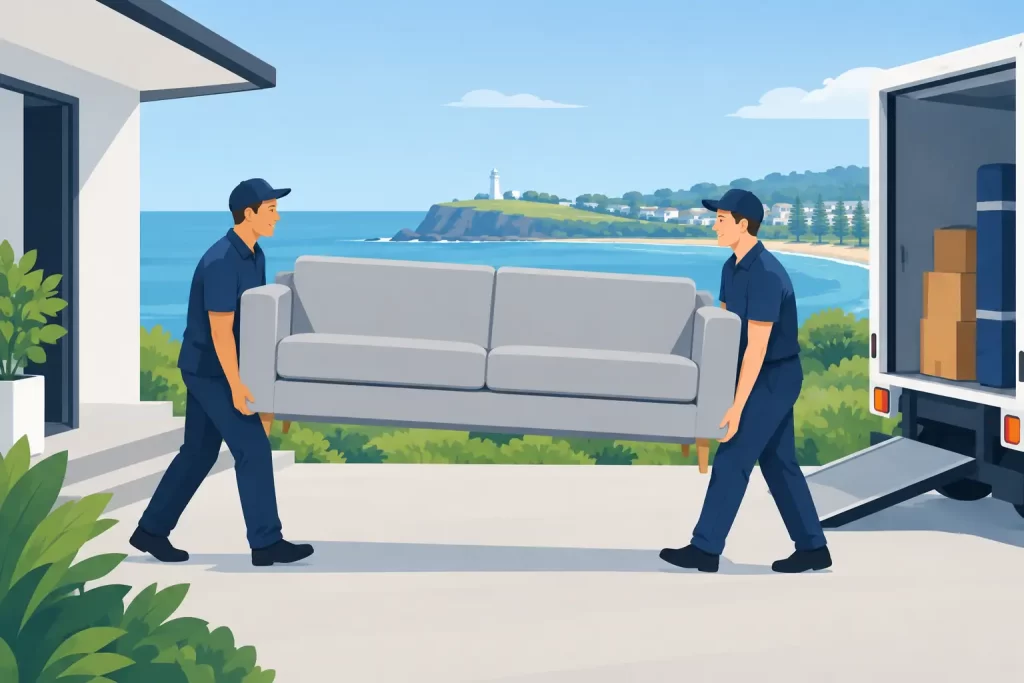
A sofa can be the one item that turns an otherwise straightforward move into a stressful day. It is bulky, awkward to grip and often heavier than it looks. This Kiama sofa removal guide will help you plan the job properly, whether your lounge is heading to a new home, into storage, to a charity or out for disposal.
The main rule is simple: do not leave the sofa until last. Measure it, plan the route and decide whether professional removal support is the safer option before moving day arrives. A little preparation protects your furniture, your walls and the people doing the lifting.
Start by deciding where the sofa is going
Sofa removal can mean different things. If you are moving house, the goal is to transport the lounge without damage and get it positioned quickly at the new address. If you are replacing an old sofa, you may be looking for a responsible way to donate, sell or dispose of it.
A clean, structurally sound sofa may be suitable for resale or donation, but check that the cushions, frame and upholstery are in good condition first. Torn fabric, broken springs, mould, pest damage or strong odours can limit those options. When a sofa has reached the end of its usable life, arrange an approved rubbish removal or collection service rather than leaving it on the kerb without confirmation that collection is permitted.
If your old sofa is being removed while a new one is delivered, confirm the timing with both providers. There is nothing more inconvenient than having a new lounge arrive before the old one has left the room.
Kiama sofa removal guide: measure before moving
Most sofa removal problems are access problems. A lounge that fits comfortably in a living room does not necessarily fit through the front door, down a hallway or around a stairwell. Measure the sofa at its widest, tallest and deepest points, including fixed feet, arms and reclining sections.
Then measure every tight point between the room and the vehicle. Focus on door openings, hallways, internal corners, gates, lifts, stairs and low ceiling clearances. Remember that a door may open wide but still lose usable space because of its frame, handle or security screen.
It also helps to check the path outside. Kiama properties can vary from level homes with easy driveways to units with stairs, narrow paths and limited parking. A steep driveway, wet ground or a long walk from the truck can change the time and labour required. Let your removalist know about these details when requesting a quote so the team can arrive prepared.
Check whether it can be taken apart
Some modular lounges, recliners and sofa beds can be separated into smaller sections. Remove detachable cushions, legs and loose headrests where possible, keeping screws and fittings in a labelled bag. Do not force parts that are not designed to come apart, as this can damage the frame or upholstery.
Taking off sofa legs can make a valuable difference at a low doorway. It is also worth removing the front door from its hinges only when it is necessary and you know how to refit it safely. For difficult access, experienced removalists may use a different angle, protective equipment or a planned carry route rather than attempting a risky lift.
Prepare the sofa and the home
Preparation is not about making the job look neat. It prevents damage and makes handling safer. Vacuum crumbs and loose items from under cushions, empty storage compartments and remove throws or decorative items that could fall during the move.
Wrap the sofa in clean moving blankets or purpose-made furniture covers. Secure the protection with tape around the covering, not directly onto leather, fabric or timber, as adhesive can leave marks. Cardboard corner protection is useful for timber arms and sharp edges.
Clear the route before lifting begins. Move rugs, side tables, plants, shoe racks and anything else that could become a trip hazard. Protect door frames, walls and floors, particularly in rental homes where a scrape can become an avoidable repair cost.
If the sofa is heading into storage, use breathable protective materials and choose a dry space. Plastic wrap can help keep dust off for a short transport period, but trapped moisture is not ideal for long-term storage. Leave enough room around the lounge so it is not crushed by heavier items.
Plan the lift properly
A large sofa should never be a one-person job. Even when the weight feels manageable, the size makes it hard to see where you are stepping or react if it shifts. For heavy or awkward lounges, professional furniture removal is usually the sensible choice.
If you are handling a small, lightweight sofa yourself, use at least two capable adults and agree on the route before lifting. One person should call instructions, especially at corners, stairs and changes in level. Lift with your legs, keep the item close to your body and avoid twisting while carrying.
Do not rush stairs or attempt to manoeuvre around a corner by pushing through resistance. Put the sofa down, reassess the angle and clear more space if needed. The cost of an extra few minutes is far less than a damaged wall, strained back or dropped lounge.
For moves involving several bulky items, a removal team can load the sofa in a way that protects it from rubbing against appliances, beds or timber furniture. Proper loading matters just as much as getting the sofa out the door. It should be secured in the truck so it cannot slide or tip during transport.
Know when professional sofa removal is worth it
Hiring help is not only for large house moves. It can be a practical option for a single sofa when access is difficult, the lounge is valuable or time is tight. This is particularly true for oversized modular lounges, recliners, sofa beds, antique pieces and leather furniture.
Professional removalists bring the equipment and experience to manage the awkward parts of the job, including blankets, trolleys, straps and suitable vehicles. They can also coordinate sofa removal as part of a wider home move, so you are not organising separate transport for every large item.
When comparing quotes, provide clear information rather than guessing. Include the sofa dimensions, pick-up and delivery suburbs, floor level, stairs, parking conditions, whether the sofa needs dismantling and whether you need packing or disposal assistance. An accurate brief helps avoid delays and makes pricing more transparent.
Mr Muscle Removals assists households across Kiama and the wider Illawarra with careful furniture removals, from single bulky items to full home moves. A planned quote gives you a clearer picture of the right vehicle, team size and timing for your job.
Avoid the common last-minute mistakes
The biggest mistake is assuming a sofa will fit because it made it into the house originally. Doors may have been replaced, landscaping may narrow the path, or the lounge may have been delivered in sections. Measure now instead of discovering the issue when the truck is waiting.
Another common problem is booking a vehicle that is too small. A sofa can take up more usable truck space than expected, especially when it needs to travel upright or be protected with blankets. Trying to squeeze it in can damage the upholstery and leave other furniture unsecured.
Finally, do not treat disposal as an afterthought. If the sofa cannot be reused, organise its removal before your handover date or new furniture delivery. Check local collection requirements, as rules and booking arrangements can vary.
A sofa move goes smoothly when the access, protection and lifting plan are sorted early. Give yourself time to measure, clear the path and choose the level of help that matches the job. That is the easiest way to get the lounge out safely and settle it into its next place without unnecessary stress.