
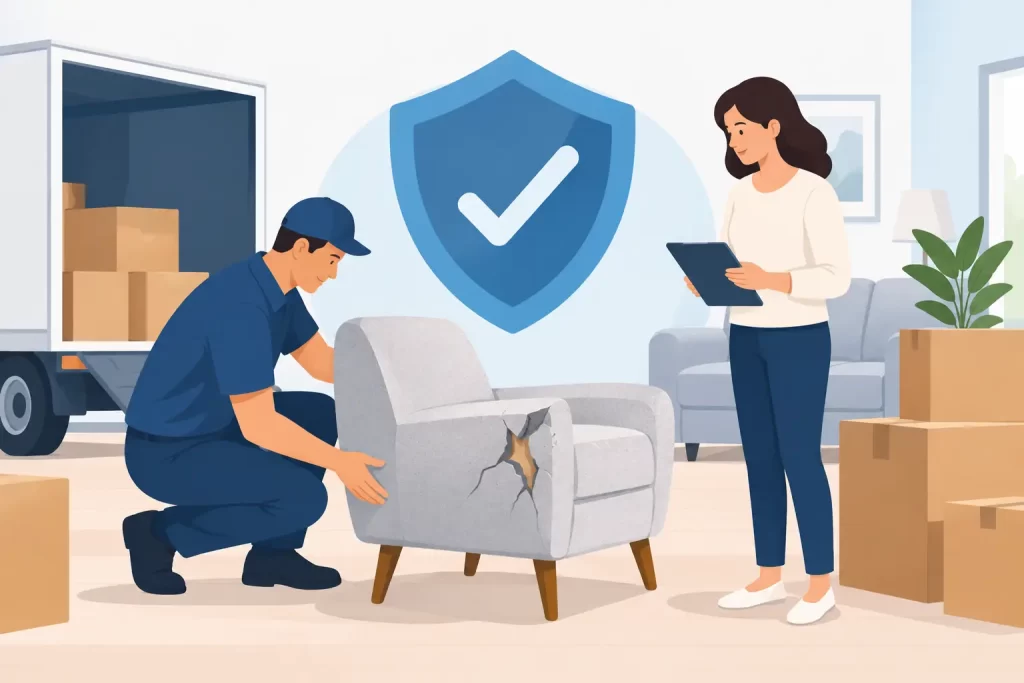
A scratched dining table or damaged television can turn an otherwise smooth moving day into a stressful dispute. Understanding removalist damage liability before the truck arrives helps you know what to ask, what records to keep and what may happen if something goes wrong.
The key point is simple: a removalist’s responsibility for damage is not always the same as insurance cover. The answer depends on the booking terms, how the item was packed, the cause of the damage and the cover arranged for the move. Getting clear on these details early gives you a fairer, faster path to a resolution if you need one.
What removalist damage liability usually means
Removalist damage liability refers to when a moving company may be responsible for loss of or damage to your belongings while providing its service. A professional removalist is generally expected to carry out the service with due care and skill. That includes sensible loading, secure transport, careful unloading and appropriate handling of furniture and boxes.
If damage is caused by poor handling, inadequate securing of an item, or another preventable issue during the removal, the removalist may have responsibility under the service agreement and Australian consumer protections. However, responsibility is not automatic simply because an item is damaged during moving day.
For example, a mover may not be liable where a fragile item was packed by the customer without suitable protection, where existing damage worsens due to an inherent fault, or where an item could not be moved safely because of access restrictions that were not disclosed. A heavy cabinet with a loose leg, flat-pack furniture that has already weakened, and boxes marked incorrectly can all create complications.
This is why a reliable mover will ask practical questions before quoting. Details such as stairs, tight hallways, difficult driveways, large furniture, fragile pieces and long carry distances are not minor details. They help the team plan the right truck, equipment, number of movers and handling approach.
Liability and transit insurance are not the same thing
Many people hear that a removalist is insured and assume every item is covered for its full replacement value in every situation. That is not always how it works.
A removalist’s business insurance protects the business against certain risks. Transit insurance is a separate type of cover that may protect your belongings against specified loss or damage while they are being moved. The level of cover, excess, exclusions, claim limits and proof required will depend on the policy or option offered.
Before booking, ask whether transit insurance is included, optional, or something you need to arrange separately. If cover is available, check whether it is based on declared value, replacement value, repair cost or another method. It is also worth confirming whether accidental damage is included and whether valuables, electronics, antiques or items packed by you have special conditions.
A removalist may accept liability for damage caused by its own negligence, while insurance may respond to a broader range of accidental events depending on the policy. Equally, an insurance policy can contain exclusions that mean a claim is not payable. Reading the terms is less exciting than planning your new lounge room, but it is one of the most useful steps you can take before a move.
What can affect a damage claim
Every move is different, and so is every claim. The circumstances matter. Your booking confirmation, inventory, photos, signed paperwork and communication with the removalist can all help establish what was collected and its condition.
Common factors include:
- whether the removalist packed the item or it was packed by the customer
- whether pre-existing damage was recorded before the move
- whether the item was suitable for transport and properly prepared
- whether special access, weight, fragility or value information was provided
- whether the damage was reported promptly with clear photos
- the liability limits, exclusions and claim process in the booking terms.
Customer-packed cartons are a frequent grey area. A removalist can take every reasonable care with a box, but cannot see whether glassware was wrapped individually, whether a carton is overloaded, or whether an item inside has been packed with no cushioning. Professional packing reduces this risk because the team can use suitable materials and pack delicate items for transport.
There can also be limitations around items such as cash, jewellery, important documents, collectibles, plants, perishables and items that have not been declared. If an item is expensive, rare or difficult to replace, raise it before the move rather than assuming it is covered.
How to protect your belongings before moving day
Good preparation makes damage less likely and makes any issue easier to assess. Start by taking dated photos of valuable furniture, electronics and fragile items. Photograph existing marks, dents or faults as well. This is not about expecting the worst. It is simply a clear record of condition before collection.
Next, make sure your mover has an accurate picture of the job. Tell them about awkward access, stairs, lifts, narrow doors, long driveways and furniture that needs dismantling. Let them know about items that need extra care, such as marble tops, large mirrors, artwork, pianos, aquariums or oversized appliances.
If you are packing yourself, use strong cartons, avoid overfilling, and wrap breakables separately. Clearly mark fragile boxes, but do not rely on a label alone. Keep boxes to a manageable weight and fill empty spaces so contents cannot shift during transport. Where possible, keep high-value small items, passports, medication, keys and sentimental essentials with you.
For larger pieces, remove loose shelves, empty drawers unless advised otherwise, and keep screws or fittings in labelled bags. A quick photo of assembled furniture can make reassembly easier at the other end.
What to do if you notice damage
Inspect your belongings as they are unloaded where practical, particularly large furniture and fragile items. If you notice damage, point it out politely to the moving team straight away. Take clear photos from several angles, including a wider image showing the item and a close-up of the damage.
Do not throw away damaged packaging, broken parts or relevant paperwork. Keep your booking confirmation, inventory and any condition report. Then contact the removalist as soon as possible through the stated claims process. Provide the job details, item description, photos, evidence of value where available and a short explanation of when the damage was found.
Prompt reporting is important. It gives the removalist a proper opportunity to investigate while the job details are fresh and helps avoid disputes about whether damage occurred during the move or later. Stay factual in your communication. Explain what happened, provide the evidence requested and ask what the next step will be.
Depending on the circumstances, a resolution may involve repair, compensation, an insurance claim or another remedy set out in the agreement. Not every damaged item has the same outcome, particularly where age, existing condition, depreciation and policy limits apply.
Questions worth asking before you book
A good removalist should be comfortable answering direct questions. Ask what protection is included in the service, whether additional transit cover is available, and how damage claims are handled. Confirm any limits for customer-packed cartons, fragile goods, high-value items and furniture that needs dismantling or reassembly.
You should also ask whether the quote allows enough time and labour for your actual access conditions. The cheapest quote can become expensive if it leaves out stairs, packing, difficult access or the equipment needed to move an item safely. Clear information upfront helps avoid rushed handling and surprise costs later.
For local or interstate moves from Nowra, Wollongong and surrounding areas, choosing an experienced team with professional packing available can take much of the guesswork out of protecting your belongings. Mr Muscle Removals can discuss the practical details of your move before booking, so the right care and resources are planned from the start.
A careful move begins well before the truck is loaded. Ask clear questions, keep a simple record of your belongings and choose a removalist that treats your home or business items with the care they deserve.